

Overview of the BSc Microbiology Course
This BSc Microbiology program focuses on the scientific study of microorganisms such as bacteria, viruses, fungi, and protozoa. It introduces students to the biology, structure, physiology, genetics, and pathogenesis of these organisms, and explores their impact on human health and the environment. The curriculum covers BSc in Microbiology subjects combining theoretical coursework with extensive laboratory work and research projects to build a strong foundation in microbiology.
Program Objectives
The BSc Microbiology program at one of the leading Microbiology Colleges in Bangalore aims to provide students with a thorough scientific understanding of microorganisms and their role in health, industry, and the environment. The key objectives of the program are:
- Build a scientific understanding of the structure, physiology, and genetics of microorganisms
- Develop research competency in designing, conducting, and interpreting microbiological studies
- Equip students with practical skills through laboratory experiments, research projects, and industry internships
- Instil professional ethics and laboratory safety standards in all areas of microbiological practice
- Prepare a strong foundation for advanced studies such as M.Sc., M.Phil., or Ph.D. in microbiology or related life sciences
Program Outcomes
Upon completing this program, graduates will be able to:
- Understand Microorganisms: Analyse the structure, behaviour, and pathogenesis of bacteria, viruses, fungi, and protozoa
- Apply Microbiological Principles: Use evidence-based approaches in healthcare, biotechnology, pharmaceuticals, and environmental settings
- Conduct Research: Design and execute microbiological research using scientific methods and advanced laboratory techniques
- Master Laboratory Techniques: Perform culture, staining, identification, and other core techniques under proper safety protocols
- Apply Diagnostic Methods: Conduct and interpret standard diagnostic and identification tests for pathogenic microorganisms
- Practice Ethical Standards: Follow biosafety regulations, laboratory ethics, and responsible research practices
- Pursue Advanced Studies: Build foundation for M.Sc., M.Phil, or specialized certifications in microbiology or biotechnology
BSc Microbiology Course Details
Section 1
Upon completing this program, graduates will be able to:
Understand Human Behaviour:Analyse cognitive, emotional, and social factors that influence behaviour .
Apply Psychological Theories:Use evidence-based approaches in clinical, educational, and organizational settings.
Conduct Research:Design and execute psychological research using scientific methods.
Provide Counselling: Offer basic counselling and therapeutic support under supervision.
Administer Psychological Tests:Conduct and interpret standardized psychological assessments.
Practice Ethical Standards:Follow professional ethics and maintain confidentiality in all psychological work.
Pursue Advanced Studies:Build foundation for MSc, M.Phil, or specialized certifications in psychology
Section 2
Upon completing this program, graduates will be able to:
Understand Human Behaviour:Analyse cognitive, emotional, and social factors that influence behaviour .
Apply Psychological Theories:Use evidence-based approaches in clinical, educational, and organizational settings.
Conduct Research:Design and execute psychological research using scientific methods.
Provide Counselling: Offer basic counselling and therapeutic support under supervision.
Administer Psychological Tests:Conduct and interpret standardized psychological assessments.
Practice Ethical Standards:Follow professional ethics and maintain confidentiality in all psychological work.
Pursue Advanced Studies:Build foundation for MSc, M.Phil, or specialized certifications in psychology
Section 3
Upon completing this program, graduates will be able to:
Understand Human Behaviour:Analyse cognitive, emotional, and social factors that influence behaviour .
Apply Psychological Theories:Use evidence-based approaches in clinical, educational, and organizational settings.
Conduct Research:Design and execute psychological research using scientific methods.
Provide Counselling: Offer basic counselling and therapeutic support under supervision.
Administer Psychological Tests:Conduct and interpret standardized psychological assessments.
Practice Ethical Standards:Follow professional ethics and maintain confidentiality in all psychological work.
Pursue Advanced Studies:Build foundation for MSc, M.Phil, or specialized certifications in psychology
Section 4
Upon completing this program, graduates will be able to:
Understand Human Behaviour:Analyse cognitive, emotional, and social factors that influence behaviour .
Apply Psychological Theories:Use evidence-based approaches in clinical, educational, and organizational settings.
Conduct Research:Design and execute psychological research using scientific methods.
Provide Counselling: Offer basic counselling and therapeutic support under supervision.
Administer Psychological Tests:Conduct and interpret standardized psychological assessments.
Practice Ethical Standards:Follow professional ethics and maintain confidentiality in all psychological work.
Pursue Advanced Studies:Build foundation for MSc, M.Phil, or specialized certifications in psychology
Section 5
Upon completing this program, graduates will be able to:
Understand Human Behaviour:Analyse cognitive, emotional, and social factors that influence behaviour .
Apply Psychological Theories:Use evidence-based approaches in clinical, educational, and organizational settings.
Conduct Research:Design and execute psychological research using scientific methods.
Provide Counselling: Offer basic counselling and therapeutic support under supervision.
Administer Psychological Tests:Conduct and interpret standardized psychological assessments.
Practice Ethical Standards:Follow professional ethics and maintain confidentiality in all psychological work.
Pursue Advanced Studies:Build foundation for MSc, M.Phil, or specialized certifications in psychology
Section 6
Upon completing this program, graduates will be able to:
Understand Human Behaviour:Analyse cognitive, emotional, and social factors that influence behaviour .
Apply Psychological Theories:Use evidence-based approaches in clinical, educational, and organizational settings.
Conduct Research:Design and execute psychological research using scientific methods.
Provide Counselling: Offer basic counselling and therapeutic support under supervision.
Administer Psychological Tests:Conduct and interpret standardized psychological assessments.
Practice Ethical Standards:Follow professional ethics and maintain confidentiality in all psychological work.
Pursue Advanced Studies:Build foundation for MSc, M.Phil, or specialized certifications in psychology
BSc Microbiology Eligibility Criteria
- 10+2 / PUC from a recognized board in Science stream (Physics, Chemistry, Biology)
- Minimum 50% aggregate marks in PCB (Physics, Chemistry, Biology) as per university norms
Fee Structure
Components
Amount ( INR )
Tuition Fee (per year)
₹80,000
Scholarship Fee (25% discount)
₹60,000
NOTE:
Admission, University Registration, Examination, Laboratory, and Library fees are additional fees to be paid during Admission.
Merit Scholarships:
Merit Scholarship offers 25% of the Tuition Fees (all three years) to students having 80% and above in the Qualifying Examination (12th / PUC)
Means Scholarship:
Means Scholarship offers 25% tuition fee concession to students hailing from BPL category (all three years) holding valid BPL cards
Career Path
A BSc Microbiology degree opens doors to a wide range of career opportunities across multiple sectors
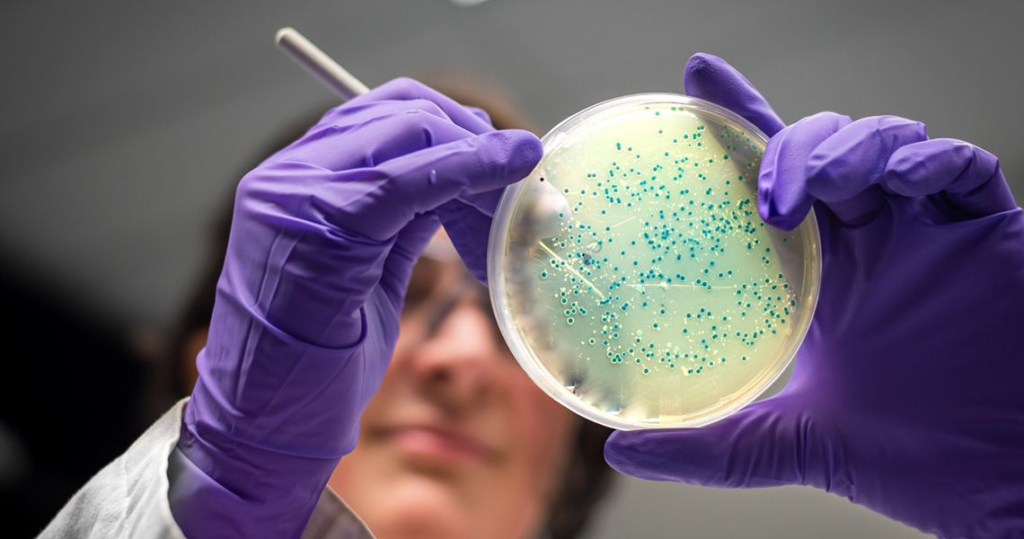
Microbiologist
Research and analysis in hospitals, labs, or government agencies

Research Scientist
Microbiological research in universities, pharma, or biotech firms
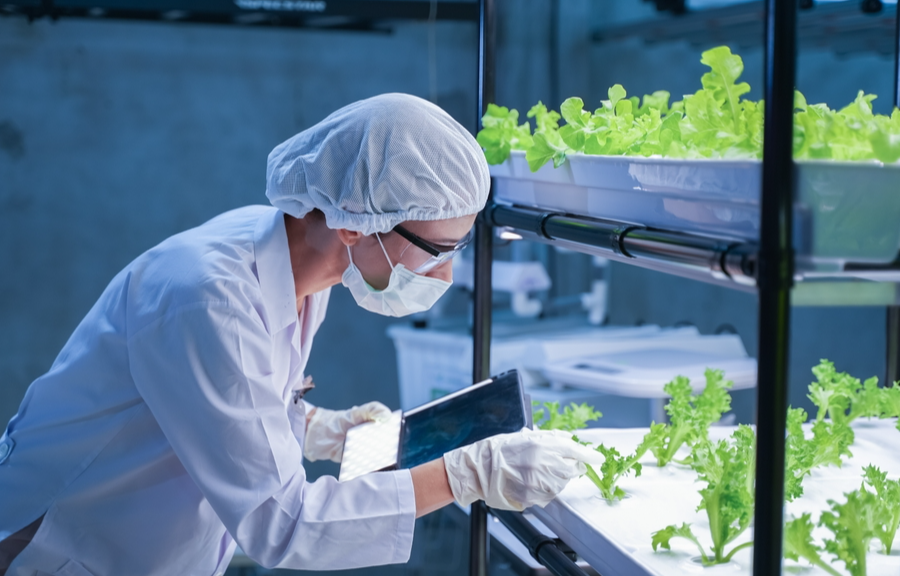
Biotechnology Specialist
Work in vaccines, genetic engineering, and bioprocessing

Laboratory Technician
Diagnostic and analytical testing in clinical or industrial labs
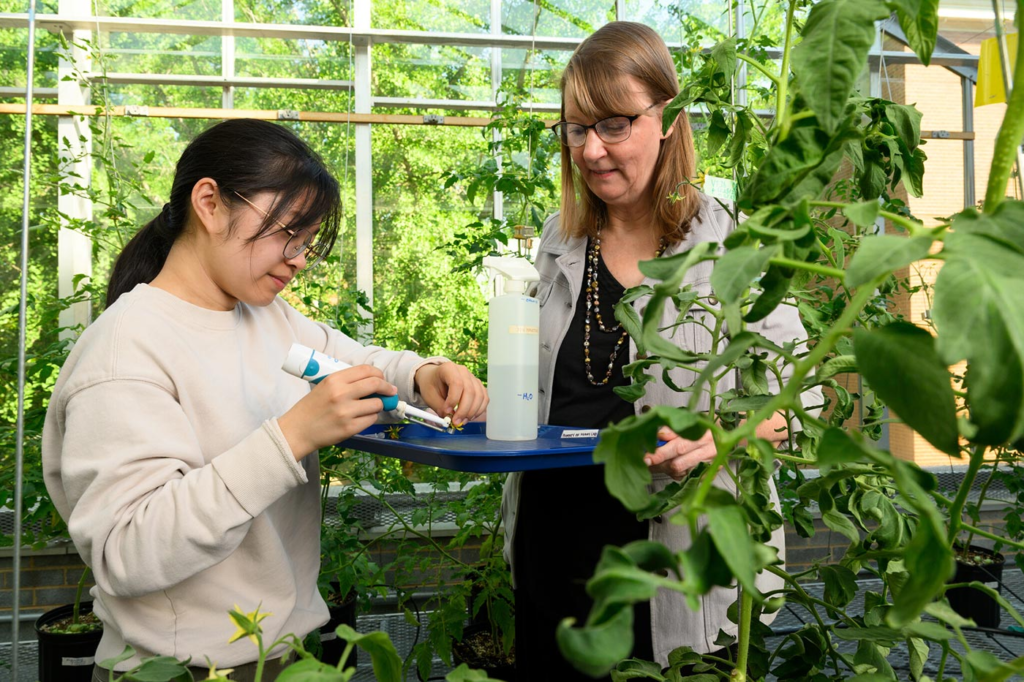
Environmental Scientist
Microbes in ecosystems, water treatment, and pollution control
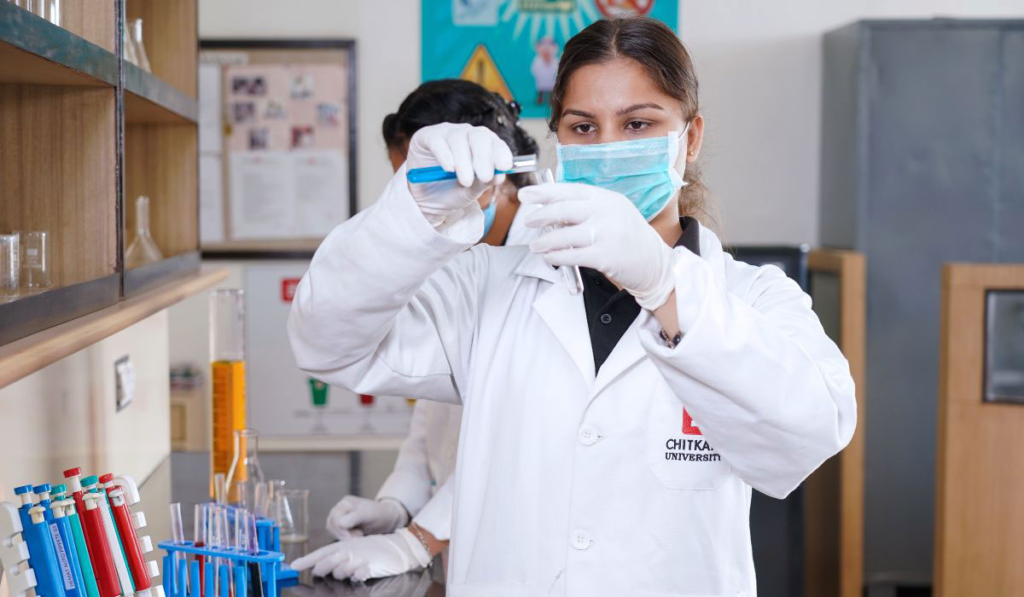
Pharmaceutical Researcher
Drug, antibiotic, and vaccine development

Food Safety Analyst
Quality control and microbial safety in food industries

Higher Studies
M.Sc., M.Phil., Ph.D., or specializations in microbiology, biotech, or environmental science
FAQs
What is BSc Microbiology?
BSc Microbiology is a three-year undergraduate degree that provides a scientific foundation in the study of microorganisms, their biology, and their applications in healthcare, industry, and the environment through a blend of theoretical coursework and hands-on laboratory work. For more information, check our detailed BSc Microbiology Course Details.
What is the scope of B.Sc. Microbiology?
Graduates from BSc Microbiology Colleges can pursue careers in research laboratories, biotechnology firms, pharmaceutical companies, hospitals, environmental agencies, the food industry, or continue with higher studies like M.Sc. or M.Phil. in microbiology or biotechnology.
Is B.Sc. Microbiology suitable for competitive exams or research careers?
Yes, the research-oriented nature of the program prepares students for competitive exams like GATE and CSIR NET, academic research, and doctoral studies in microbiology and life sciences.
COURSE HIGHLIGHTS
Duration
3 Years (6 Semesters)
Eligibility
10+2 (Science Stream)
Mode
Full-Time On-Campus
Intake
60
